
Home » Contact Center Solutions » iOS 26 Call Screening: Opportunity or Threat
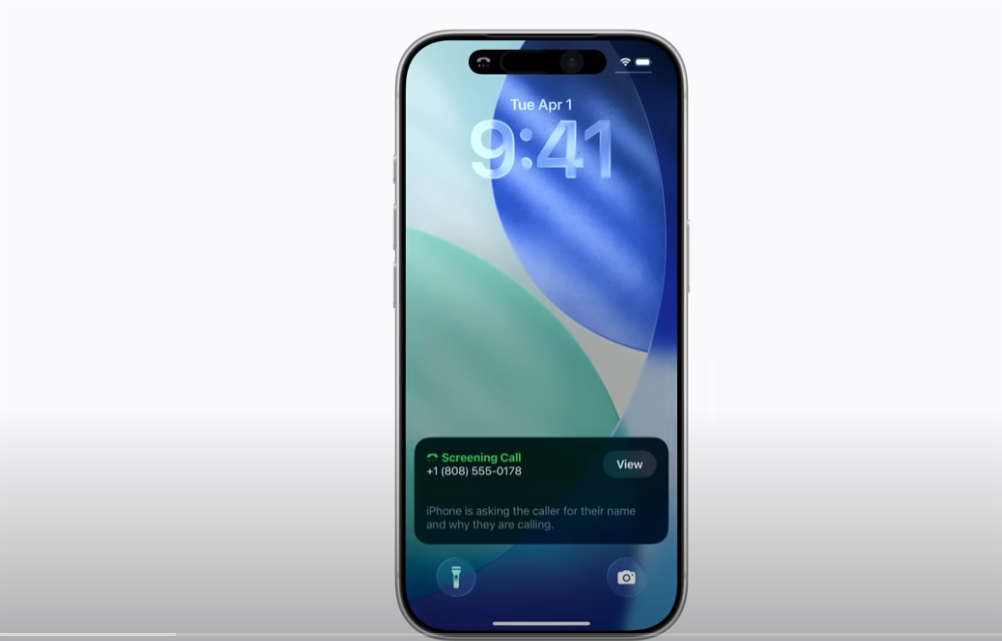
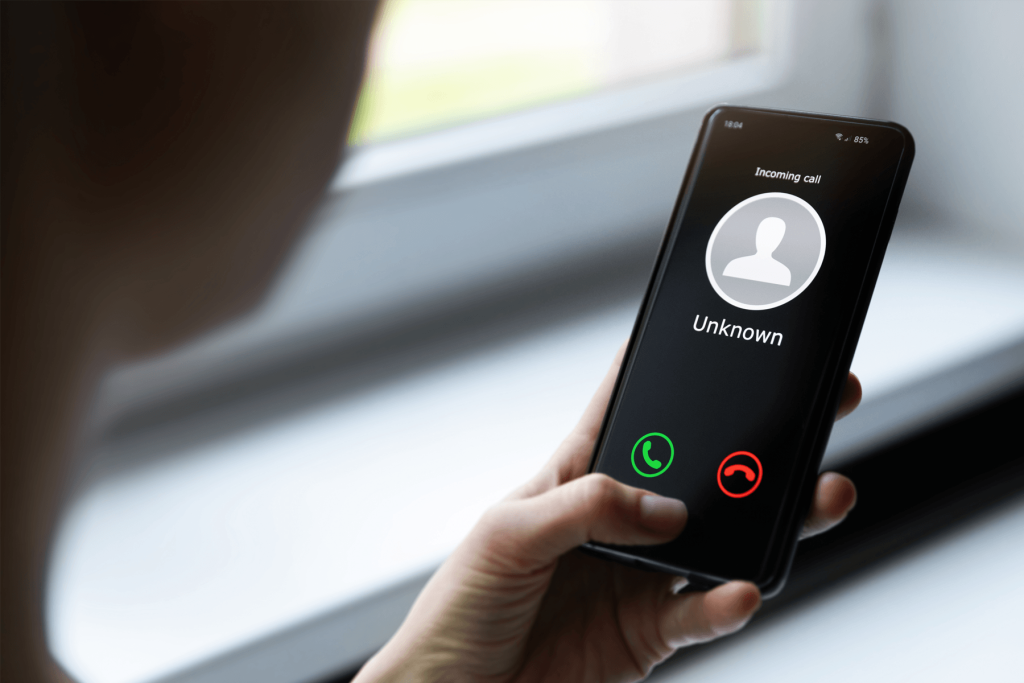
While Apple's implementation is getting widespread attention, call screening isn't a novel concept. Google and Android devices have offered similar functionality for roughly three years through their Call Screen feature on Pixel devices. Third-party voicemail services like YouMail and apps like Truecaller have been screening calls even longer, with millions of active users already accustomed to these protections.
The difference is Apple's market share and the media attention their updates receive. With approximately 130-150 million iPhone users in the United States representing 55-58% of the smartphone market, any change Apple makes gets amplified. But the underlying challenge and opportunity, remains the same: make people want to answer your calls.
Looking at the Android experience provides valuable perspective. When Google introduced Call Screen in 2019, similar concerns emerged. Yet businesses that focused on compliance, caller reputation, and genuine customer value continued to achieve strong contact rates. The sky didn't fall, instead, the industry evolved toward better practices.
Here's what many sensationalized headlines miss: iOS 26's call screening isn't turned on automatically. According to testing documented by Pure CallerID's device lab research, users must actively choose to enable the feature after installation. While Apple does prompt users with a banner after their first incoming call post-update, it remains an opt-in feature.
This is a critical distinction. The low answer rates many businesses are experiencing aren't primarily the result of iOS 26, they're the continuation of trends that have been building for years. According to research from the First Orion spam call report, answer rates for unknown numbers have been declining steadily since 2017, dropping from around 80% to below 50% by 2022, well before iOS 26 existed.
The real culprits? Erosion of consumer trust due to relentless spam calls (estimated at over 50 billion annually in the U.S. alone), poor caller reputation management, irrelevant outreach, and lack of consent-based engagement strategies. iOS 26 didn't create these problems, it's simply one more tool consumers can use to protect themselves from them.
The response across the industry has been mixed. Some providers have adopted an almost apocalyptic tone, suggesting that traditional outbound calling is dead and that only the most expensive enterprise solutions can navigate this new landscape.
Others have taken a more measured approach. Leading contact center platforms like Five9 and Talkdesk have emphasized that the fundamentals haven't changed: proper caller ID registration through STIR/SHAKEN, maintaining positive caller reputation scores, ensuring compliance with TCPA regulations, and focusing on consent-based outreach remain the foundation of successful outbound strategies.
What's notable is that the most successful organizations aren't treating iOS 26 as an isolated technical problem to solve, but rather as confirmation that the industry shift toward quality over quantity was already necessary. Research from Gartner indicates that contact centers focusing on “right party contact” rates rather than raw dial volume have consistently outperformed their peers in customer satisfaction and conversion metrics, call screening or not.
One of the most common concerns we've heard is that Answering Machine Detection (AMD) would become obsolete under call screening. Our extensive testing shows otherwise. In fact, Intelligent Contacts AMD solution continues to detect calls correctly in approximately 95% of cases, even when screening is enabled on the recipient's device.
This is because our AMD technology analyzes multiple audio signatures and call progression patterns, not just simple connect/disconnect signals. When a call goes to screening, our system can differentiate between that experience and a traditional voicemail, allowing for appropriate handling in either scenario.
For clients who want even greater precision, we offer an enhanced Intelligent AMD solution powered by AI that further increases accuracy and adapts to evolving call patterns – including screening prompts. This machine learning-based approach continuously improves by analyzing millions of call outcomes, identifying new patterns as they emerge, and adjusting detection algorithms in real-time.
The key insight here is that technology designed to be adaptive rather than static doesn't become obsolete when the environment changes—it evolves alongside it.
The Intelligent Contacts Hosted Contact Center (CCaaS) platform is designed to be adaptive, not reactive. We've built intelligence directly into our system that allows clients to navigate the new landscape strategically:
Bypass screening through reputation management. For clients with strong caller reputation and established relationships, our system helps ensure calls flow through without triggering the screening prompt. This involves maintaining pristine STIR/SHAKEN attestation levels, monitoring and responding to spam complaint feedback loops, and leveraging branded caller ID where appropriate.
Turn screening into engagement opportunities. When screening is detected, our platform can treat it as a moment to send a personalized message to the recipient—via SMS, email, or even through the screening interface itself—reinforcing why the call matters and encouraging them to answer. This multi-channel orchestration transforms a potential dead-end into a touchpoint that builds trust.
Dynamic number management. Our system intelligently chooses a reputation-aware number from the client’s pool of owned numbers, ensuring that each outbound call comes from a number with optimal deliverability and answer probability. This isn't about evading detection, it's about strategic number management that maintains caller reputation across your entire operation.
This isn't about gaming the system. It's about meeting consumers where they are, respecting their preferences, and still delivering genuine value. The businesses succeeding in this environment aren't those trying to trick or circumvent consumer protections—they're those building systems that align with consumer expectations.
We don't view iOS 26 call screening as a threat to legitimate business communications. We see it as a forcing function—one that encourages businesses to improve their outbound strategies and make every call worth answering.
Consider what call screening actually does: it gives consumers more control over their communications and creates friction for low-value, high-volume spam operations. If your business model depends on reaching people who actively don't want to hear from you, call screening is indeed a problem. But if your outreach is based on consent, relevance, and genuine value, call screening becomes a competitive advantage.
Why? Because your responsible competitors will adapt and thrive, while bad actors who've been degrading consumer trust and answer rates for everyone will finally face meaningful consequences. The businesses that will struggle are those relying on high-volume, low-value outreach with minimal regard for consent or relevance. The businesses that will thrive are those focused on genuine customer value and respectful engagement.
Our philosophy has always been straightforward: if someone doesn't want to answer your call, maybe you shouldn't be calling them in the first place. (Anyone else prefer text?) And if you have a legitimate, valuable reason to reach out, call screening becomes an opportunity to prove it – to demonstrate through your messaging, timing, and approach that this is a call worth taking.
Research supports this perspective. According to data from ContactBabel's annual report on customer engagement, contact centers that shifted from “maximum attempts” strategies to “optimal contact quality” strategies saw conversion rates improve by 20-35%, even as total dial volume decreased. Quality wins over quantity, especially in an environment where consumers have more control.
Step back from the technical details, and iOS 26 represents something larger: a consumer demand for respect in the communication ecosystem. The proliferation of spam calls, scam operations, and aggressive telemarketing has eroded trust to the point where unknown numbers are presumed guilty until proven innocent.
This didn't happen overnight, and it won't be fixed by any single technology. But it creates a clear mandate for those of us building communication platforms: help businesses earn attention rather than demand it.
The most successful outbound operations in 2026 and beyond will be those that:
These aren't new principles. They're the fundamentals that have always separated sustainable, customer-centric operations from those skating by on volume and hoping regulations won't catch up.
As a company, our goal has never been to “just” help clients make more calls. It's been to help them make better calls. Better calls mean faster, more efficient outcomes. We're committed to preventing spam, scams, and illegal activity while empowering our clients to create positive, valuable experiences across every channel, phone, text, email, and chat.
iOS 26 call screening doesn't change that mission. If anything, it reinforces it and validates the approach we've been advocating for years.
We believe the businesses that will succeed aren't those looking for workarounds or loopholes. They're those willing to invest in doing outreach the right way: with consent, with value, with respect for consumer preferences, and with technology that adapts to an evolving landscape.
So instead of asking “How do we get around call screening?” we encourage our clients to ask “How do we make every interaction so valuable that people choose to engage?” That's the question that leads to sustainable growth, stronger customer relationships, and business models that thrive regardless of what technical changes come next.
That's the opportunity iOS 26 presents. And that's exactly what we're built to help you achieve.
[decm_event_display event_selection=”all_event” recurrence_number=”8″ show_location=”on” show_price=”off” show_price_ticket=”off” show_rsvp_feed=”off” show_category=”off” show_tag=”off” show_callout_date=”off” show_callout_month=”off” event_count=”4″ columns=”1″ thumbnail_margin=”||||true|true” thumbnail_padding=”14px|1px|14px|1px|true|true” disabled_on=”on|on|off” _builder_version=”4.27.4″ _module_preset=”default” custom_view_more=”on” view_more_text_color=”gcid-283e37e1-ca5f-43cd-bc24-6e9a7c7026ac” global_colors_info=”{%22gcid-283e37e1-ca5f-43cd-bc24-6e9a7c7026ac%22:%91%22view_more_text_color%22%93}”][/decm_event_display]
Contact us to schedule a demo and discover why leading organizations trust us to navigate the evolving communications landscape.
A leading third-party accounts receivables company was searching for a more profitable way to engage consumers with special discounts and settlement offers.Is your company missing its' revenue numbers and you have no idea why? Well-defined KPIs allow owners to measure and track the underlying operational objectives critical to business success.
Enjoying this article?
Share it with the world!






Transactions processed
Service Uptime
Faster Resolution and Payment Cycles



Get instant access and explore the platform at your own pace
Click Michael or Alissa below and allow microphone access. Speak naturally — they respond just like a live agent.
💡 No response? Make sure your browser microphone is enabled and speakers are on.
We use cookies to personalize content, provide features, and analyze our traffic. You can change your preferences at any time. For more information, please see our Privacy Policy and Cookie Policy. Privacy Policy